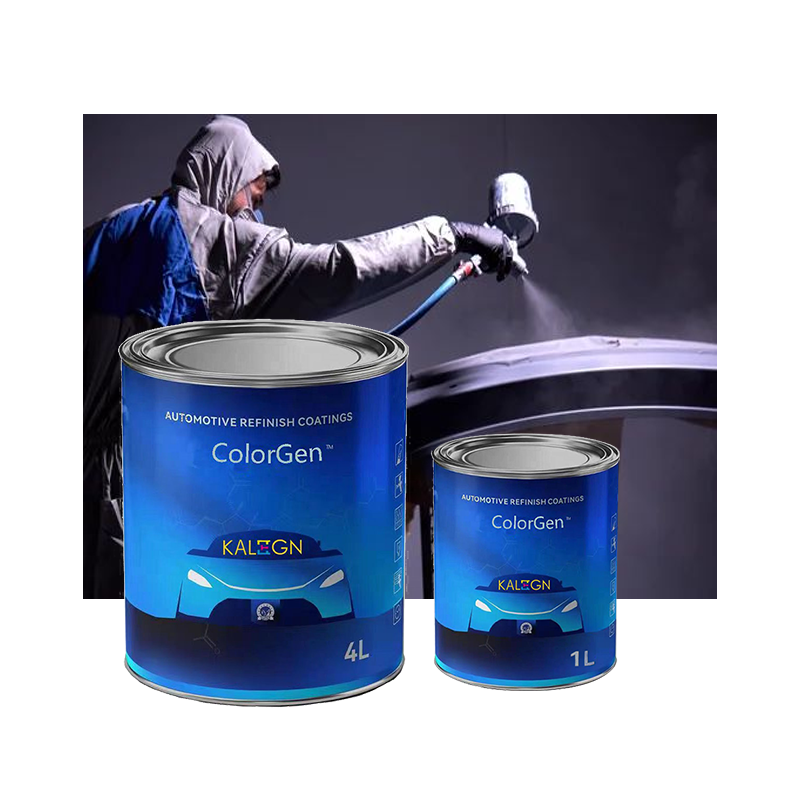
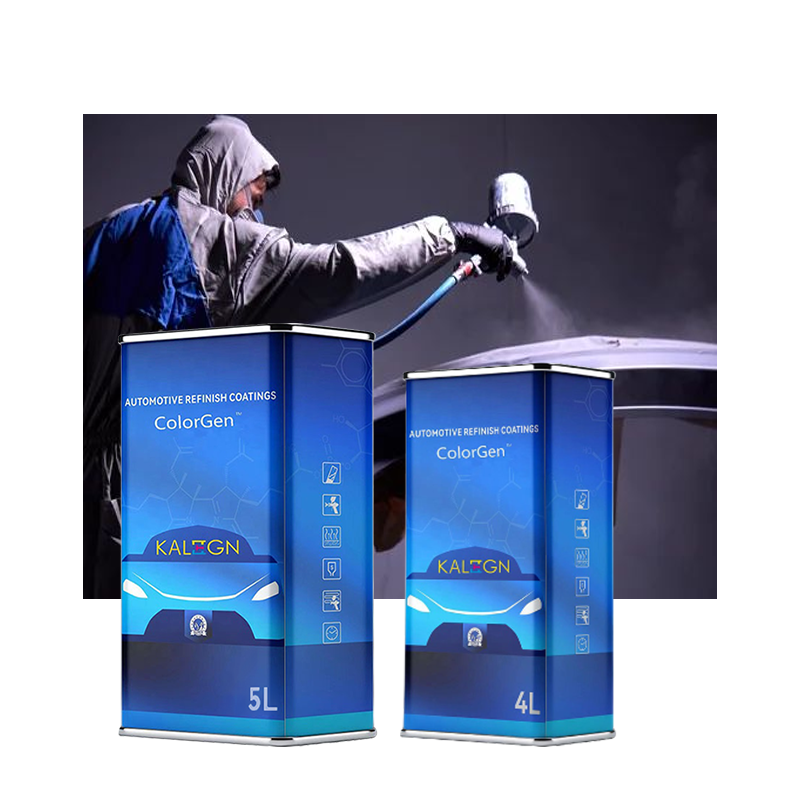
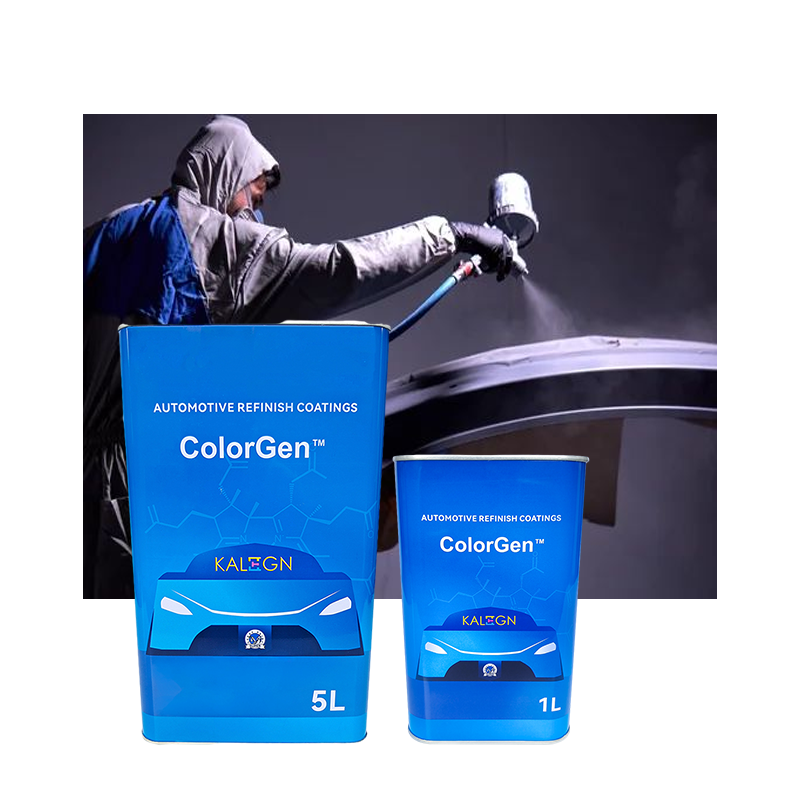
For professional auto shops, choosing the right automotive refinish paint directly impacts service quality, customer satisfaction, and bottom-line results. Two materials dominate the market: acrylic and urethane refinish paint. Each offers unique advantages, but their performance differs in key areas like durability, application speed, and compliance with environmental regulations. This guide breaks down the critical differences between acrylic and urethane options to help professional auto shops make informed decisions that align with their workflow, client needs, and regional standards. Understanding Acrylic Refinish Paint: A Staple for Accessibility and Versatility
Acrylic refinish paint has long been a trusted choice for professional auto shops, thanks to its user-friendly application and consistent results. Made from acrylic resins suspended in a solvent base, this type of paint forms a protective layer that adheres well to most automotive surfaces—including metal, plastic, and previously painted areas. Professional auto shops often turn to acrylic formulas for quick repairs, budget-friendly projects, or clients who prioritize a smooth, traditional finish over long-term durability.
One of the biggest advantages of acrylic refinish paint is its ease of use. It sprays smoothly with standard HVLP (High-Volume Low-Pressure) guns, requiring minimal thinning or adjustment. This reduces training time for new technicians and speeds up production, a key benefit for busy shops handling high volumes of repairs. Acrylic paint also dries relatively fast in ambient temperatures—usually within 1-2 hours for touch-ups and 4-6 hours for full coats—allowing shops to turn around projects quicker than with some alternative materials.
Another strength of acrylic refinish paint lies in its color retention and gloss. When applied correctly, it delivers a vibrant, uniform finish that closely matches factory paint jobs. This makes it ideal for minor scratches, bumper repairs, or vehicles that don’t face extreme environmental stress. Additionally, acrylic formulas typically have lower VOC (Volatile Organic Compound) levels compared to older solvent-based paints, helping professional auto shops comply with regional regulations like EU REACH or US EPA standards without sacrificing performance.
However, acrylic refinish paint has limitations that professional auto shops must consider. Its durability falls short of urethane options, especially in harsh conditions. Acrylic coats are more prone to fading from UV exposure, chipping from road debris, and peeling when exposed to extreme temperatures or moisture. This means vehicles painted with acrylic may require touch-ups sooner—an important factor for shops that specialize in long-lasting repairs or serve clients with high-performance or luxury vehicles. Acrylic also requires a clear coat to enhance protection, adding an extra step to the application process.
Urethane Refinish Paint: The Premium Choice for Durability and Performance
Urethane refinish paint has become the gold standard for professional auto shops that prioritize longevity and resilience. Composed of urethane resins mixed with isocyanates, this paint forms a hard, chemical-resistant film that bonds tightly to automotive surfaces. Professional auto shops often use urethane for major bodywork, full repaints, or clients who demand a finish that can withstand years of wear and tear.
The most notable advantage of urethane refinish paint is its exceptional durability. Once cured, it resists UV fading, oxidation, road salt, and minor impacts better than acrylic. This means vehicles painted with urethane maintain their shine and protection for 5-10 years or more, reducing the need for follow-up repairs and boosting customer loyalty. Urethane also offers superior flexibility, which helps prevent cracking or peeling on plastic components like bumpers or side mirrors—common pain points for acrylic finishes.
Urethane refinish paint also excels in application efficiency for professional auto shops. It dries faster than acrylic in most conditions, with some formulas curing to a sandable finish in 30-60 minutes. This allows technicians to apply multiple coats in a single day, cutting down on project timelines and increasing shop capacity. Additionally, urethane often eliminates the need for a separate clear coat, as many formulas include built-in gloss and protection. This streamlines the process, reduces material costs, and minimizes the risk of clear coat failure.
Another key benefit of urethane refinish paint is its versatility across different vehicle types. It works equally well on passenger cars, trucks, motorcycles, and even commercial vehicles. Professional auto shops can use it for custom finishes—like metallic, matte, or pearl—without compromising durability. Urethane also adheres well to bare metal, plastic, and existing paint, making it suitable for a wide range of repair scenarios from minor touch-ups to full restorations.
Despite its strengths, urethane refinish paint has some considerations for professional auto shops. It requires more precise application than acrylic, as improper mixing or spraying can lead to runs, orange peel, or uneven curing. Technicians need proper training to handle urethane, as it contains isocyanates that can cause respiratory irritation if not used with adequate ventilation. Urethane also tends to have higher VOC levels than acrylic, so shops must ensure compliance with local environmental regulations—though many low-VOC urethane options are now available to meet strict standards.
Direct Comparison: Acrylic vs. Urethane for Professional Auto Shops
To help professional auto shops weigh their options, let’s break down the critical factors that influence decision-making: durability, application, cost, compliance, and customer satisfaction.
Durability
Urethane refinish paint outperforms acrylic in almost every durability metric. It resists fading, chipping, and peeling better, making it ideal for clients who keep their vehicles for long periods or drive in harsh conditions (e.g., snowy climates, coastal areas with salt air). Acrylic, while sufficient for minor repairs, may require touch-ups within 2-3 years if exposed to heavy use. For shops that specialize in high-quality, long-lasting work, urethane is the clearer choice.
Application Speed and Ease
Acrylic refinish paint is easier to apply for less experienced technicians, with a forgiving formula that sprays smoothly and dries quickly for basic jobs. However, urethane’s faster curing time (for sanding and recoating) makes it more efficient for complex projects or high-volume shops. Urethane also eliminates the need for a separate clear coat in many cases, saving time and reducing the risk of application errors. Professional auto shops with skilled technicians will likely find urethane more efficient overall.
Cost-Effectiveness
Acrylic refinish paint has a lower upfront material cost than urethane, making it attractive for budget-conscious clients or shops focused on low-cost repairs. However, urethane offers better long-term value. Its durability reduces repeat business for touch-ups, and its efficiency shortens labor time—offsetting the higher initial cost. For shops that prioritize quality over price, urethane delivers a better return on investment by reducing warranty claims and increasing customer referrals.
Environmental Compliance
Both acrylic and urethane refinish paint have evolved to meet strict VOC regulations. Acrylic formulas typically have lower VOC levels, making them easier to comply with standards like California’s CARB (California Air Resources Board) or EU REACH. However, many urethane manufacturers now offer low-VOC options that meet these standards without sacrificing performance. Professional auto shops should check regional requirements and choose formulas that balance compliance with their performance needs.
Customer Satisfaction
Customer expectations play a key role in choosing between acrylic and urethane. Clients seeking a quick, affordable repair may be satisfied with acrylic, especially for older vehicles or minor damage. However, clients with newer cars, luxury vehicles, or custom paint requests will likely prefer urethane’s durability and premium finish. Professional auto shops that communicate the benefits of each option—like “urethane will keep your paint looking new for 5+ years” or “acrylic is the cost-effective choice for small scratches”—can align their recommendations with client needs and build trust.
How to Choose the Right Refinish Paint for Your Shop
The decision between acrylic and urethane refinish paint ultimately depends on your shop’s focus, client base, and operational priorities. Here are three key questions to guide your choice:
1. What Types of Repairs Do You Specialize In?
If your shop primarily handles minor scratches, bumper repairs, or budget-friendly projects, acrylic refinish paint may be sufficient. It’s fast, easy to use, and cost-effective for these jobs. However, if you specialize in full repaints, major bodywork, custom finishes, or high-end vehicles, urethane is the better option. Its durability and versatility will help you deliver results that stand out and keep clients coming back.
2. What Are Your Regional Compliance Requirements?
Check local regulations for VOC limits and environmental standards. If you operate in an area with strict rules (e.g., California, the EU), look for low-VOC versions of either acrylic or urethane. Acrylic may have a slight edge in compliance, but many urethane manufacturers now offer formulas that meet even the strictest standards. Choosing a compliant product avoids fines and positions your shop as environmentally responsible.
3. What Is Your Client Demographic?
Understand your clients’ priorities. If most of your customers are price-sensitive or drive older vehicles, acrylic can meet their needs while keeping costs low. If you serve clients who value long-term durability, custom finishes, or have newer cars, urethane will help you exceed their expectations. Professional auto shops can also offer both options, tailoring recommendations to each client’s budget and vehicle type.
Tips for Maximizing Results with Acrylic or Urethane Refinish Paint
Regardless of which type you choose, professional auto shops can optimize their process to ensure the best possible finish:
Surface Preparation: Both acrylic and urethane require clean, sanded surfaces for proper adhesion. Remove rust, grease, and old paint, then prime the area to create a smooth base.
Proper Mixing: Follow the manufacturer’s instructions for thinning and mixing. Urethane, in particular, requires precise ratios of resin and hardener to cure correctly.
Ventilation and Safety: Use adequate ventilation when spraying, especially with urethane (which contains isocyanates). Provide technicians with respirators, gloves, and protective clothing to ensure safety.
Application Technique: Use HVLP guns for even coverage. Apply thin, multiple coats rather than thick layers to avoid runs or orange peel. For acrylic, always follow with a clear coat to enhance protection.
Curing Conditions: Allow sufficient time for drying and curing. Avoid spraying in extreme temperatures (below 60°F or above 90°F) or high humidity, which can affect finish quality.
Conclusion
Acrylic and urethane refinish paints both have a place in professional auto shops, but their strengths cater to different needs. Acrylic offers affordability, ease of use, and compliance for minor repairs and budget-conscious clients. Urethane delivers superior durability, versatility, and premium results for major projects, custom finishes, and clients who demand long-lasting quality.
By understanding the differences between these two materials and aligning your choice with your shop’s focus and client base, you can enhance service quality, increase efficiency, and build a reputation for excellence. Whether you choose acrylic, urethane, or offer both, prioritizing proper application techniques and compliance will ensure your finishes stand the test of time—keeping your clients satisfied and your shop competitive in the automotive refinish industry.
Professional auto shops that invest in the right refinish paint and train their technicians to use it effectively will not only deliver better results but also drive long-term growth and success. Ultimately, the best automotive refinish paint is the one that helps you meet your clients’ needs while optimizing your workflow and bottom line.