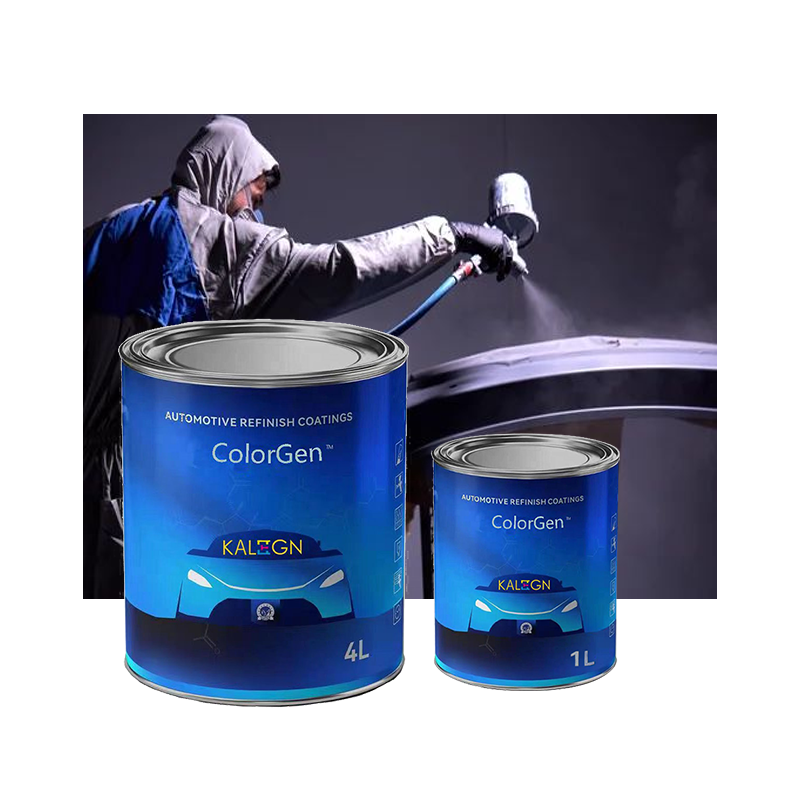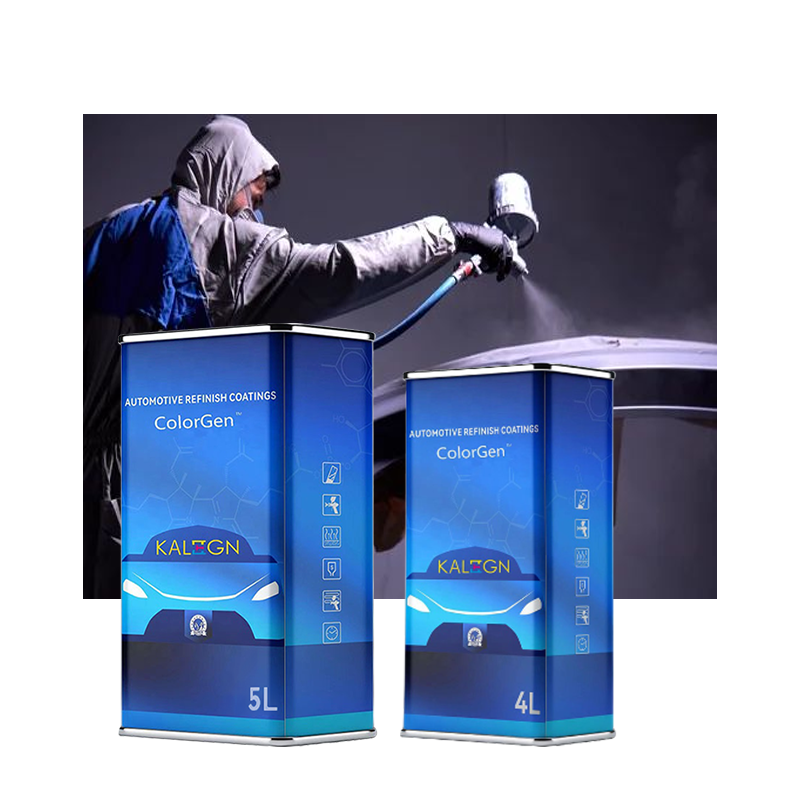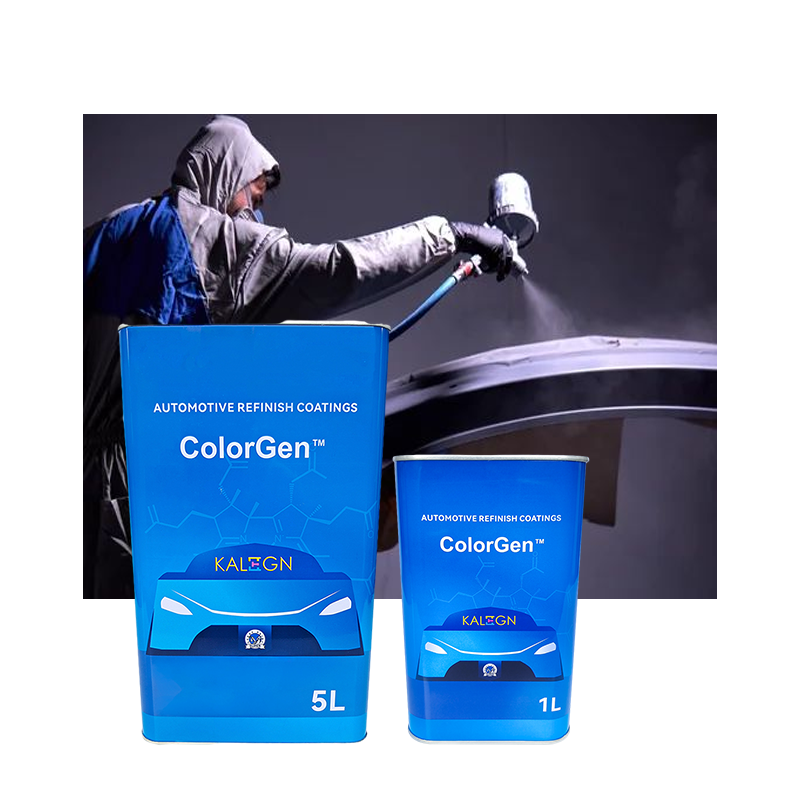
The Complete Guide to Modern Car Paint Refinishing: Techniques and Technologies
For automotive repair shops and dealerships looking to deliver flawless paint finishes, staying current with car paint refinishing technologies isn't just optional—it's essential for business growth. The industry is rapidly evolving, blending traditional expertise with groundbreaking automation to meet rising customer expectations for quality and durability.
Whether you're performing spot repairs or complete resprays, understanding the full spectrum of car refinish paint options and application methods will position your car paint shop as a destination for quality workmanship.
Understanding Car Paint Refinishing
Car paint refinishing is the comprehensive process of repairing, reapplying, and restoring a vehicle's exterior coating. This can range from addressing minor scratches and stone chips to complete exterior resprays following collision damage.
The global market for automotive paint robot systems continues to experience significant growth, reflecting the industry's shift toward automated solutions that enhance precision and efficiency. For repair shops, this doesn't necessarily mean full robotics but rather adopting the principles of precision, consistency, and technological integration that drive these advanced systems.
Essential Car Paint Refinishing Tools and Equipment
Every professional car paint shop requires specific tools to deliver consistent, high-quality results:
Spray guns: Modern HVLP (High Volume Low Pressure) systems provide superior transfer efficiency, reducing material waste and overspray
Sanding and polishing equipment: From dual-action polishers to advanced sanding systems, surface preparation tools have evolved significantly
Paint mixing systems: Precision color matching technology ensures perfect color matches every time
Spray booths: Modern downdraft booths with integrated baking systems ensure proper curing and dust-free finishes
Measuring devices: Paint thickness gauges are essential for assessing existing finish conditions
Car paint marker: Essential for minor touch-ups and precision work on small damaged areas
Step-by-Step Car Paint Refinishing Process
1. Surface Assessment and Preparation
The foundation of exceptional car paint refinishing begins with meticulous surface assessment and preparation:
Thorough cleaning: Remove all contaminants, grease, and wax using specialized automotive cleaners
Damage evaluation: Assess the extent of scratches, dents, and corrosion using both visual inspection and measurement tools
Surface preparation: Feather edges of damaged areas, strip damaged paint, and apply appropriate primers
Leading shops now incorporate advanced inspection systems that can detect sub-millimeter defects, though traditional manual inspection remains valuable for comprehensive assessment.
2. Masking and Protection
Proper masking protects non-painted surfaces and components:
Use high-temperature tape and specialized masking paper
Protect adjacent panels, windows, trim, and mechanical components
Create clean separation lines at natural panel gaps
3. Primer Application
Primer serves multiple essential functions:
Provides corrosion resistance
Creates a uniform surface for color coat application
Helps identify minor surface imperfections before color application
4. Color Matching and Application
This critical stage demands precision:
Color matching: Utilize advanced spectrophotometers and digital matching systems
Paint mixing: Follow manufacturer-recommended reduction ratios and reducers
Application technique: Apply basecoat in controlled, even layers until complete coverage is achieved
For challenging colors, particularly metallics and pearls, consider automated spray systems that maintain perfect consistency in arm speed, distance, and overlap—factors that significantly affect color appearance.
5. Clear Coat Application
The clear coat provides:
Gloss enhancement
UV protection
Environmental resistance
Depth and dimension
Apply clear coat in full, wet coats without dry spots, ensuring sufficient material for subsequent polishing steps.
6. Curing and Drying
Modern car paint shops utilize various curing methods:
Air drying: Suitable for minor repairs but extends process time
Infrared curing: Accelerates drying while improving hardness
Baked finishes: High-temperature bake rooms create superior hardness and durability
7. Finishing and Polishing
The final stage brings out the showroom finish:
Remove orange peel and minor imperfections
Progress through compounding, polishing, and finishing steps
Use dual-action polishers with appropriate pad and compound combinations
Traditional vs. Automated Car Paint Refinishing
The debate between traditional craftsmanship and emerging automation continues to shape the industry. Here's how they compare:
| Method | Best For | Key Advantages |
|---|---|---|
| Traditional Refinishing | Custom work, classic cars, complex repairs | Artisan control, adaptability, lower initial investment |
| Automated Systems | High-volume shops, OEM repairs, consistency | Speed, consistency, reduced material waste, labor efficiency |
The integration of automation in automatic car painting represents perhaps the most significant advancement. Industry leaders note that while many manufacturing processes have been automated, automotive paint repair remains a complex and highly manual process—though this is changing rapidly with the implementation of advanced automated paint repair systems that address the challenge of subjective standards and varying repair quality in manual paint repair.
For repair shops considering automation, collaborative robots offer a middle ground—providing robotic consistency with human oversight.
Technological Advancements in Car Refinishing
Robotics and Automation
The market for automotive paint robot systems continues to experience strong growth, reflecting increased adoption across the industry. These systems offer:
Enhanced precision: Articulated robots with six or more axes can reach complex vehicle surfaces from chassis to interiors
Reduced waste: Advanced application systems can achieve near-zero paint waste and VOC emissions
Improved efficiency: Automated systems can reduce rework rates while achieving high defect detection accuracy
Innovative Paint Technologies
Self-healing coatings: Recent developments include coatings with embedded microcapsules containing advanced polymers and proprietary compound mixtures that represent a significant breakthrough. When the coating surface is damaged, these capsules rupture, releasing compounds that can fill scratches without manual intervention.
Advanced color options: Modern paint systems offer increasingly complex colours car painting options, effects, and textures
Eco-friendly formulations: Waterborne paints continue gaining market share due to environmental regulations and application advantages
Digital Integration
Color matching software: Cloud-based systems with continuously updated formulas
Process control: Connected spray systems that collect operational data for predictive maintenance
Quality assurance: Advanced vision systems that perform real-time quality control
Common Car Paint Refinishing Challenges and Solutions
Color Matching Issues
Challenge: Perfect color matching, especially with complex metallics and tri-coats
Solution: Invest in advanced spectrophotometers and regularly update color database subscriptions
Paint Defects
Challenge: Orange peel, runs, dust nibs, and other application defects
Solution: Implement controlled environments with proper filtration, and train technicians on correct material application parameters
Efficiency vs. Quality Balance
Challenge: Maintaining high-quality standards while meeting throughput demands
Solution: Strategic automation of repetitive tasks combined with skilled technician oversight
Business Implications for Repair Shops and Dealerships
Adopting modern car paint refinishing technologies offers significant business advantages:
Enhanced throughput: Automated systems can increase production capacity compared to traditional methods
Reduced operational costs: Lower repaint rates and material waste directly impact profitability
Competitive differentiation: Advanced capabilities attract high-value work from discerning customers
Staff development: Transition technicians from manual labor to technology oversight and quality control roles
Future Trends in Car Paint Refinishing
The future of car paint refinishing is taking shape through several key developments:
Increased automation accessibility: As technology costs decrease, automated solutions will become viable for smaller shops
Sustainability focus: Regulations driving adoption of eco-friendly materials and processes with reduced VOC emissions
Smart repair integration: Technology-enabled spot repairs that maintain OEM corrosion protection
Data-driven processes: Connected equipment that continuously improves outcomes through machine learning
Conclusion: Positioning Your Shop for the Future
The best way to refinish car paint increasingly combines traditional expertise with technological advancement. While the human eye for detail and craftsmanship remains irreplaceable, embracing innovation is no longer optional for competitive shops.
Start by auditing your current car paint refinishing processes, identifying bottlenecks where technology could enhance quality or efficiency. Consider beginning with digital color matching systems or semi-automated polishing equipment before investing in more comprehensive automation.
The most successful shops will be those that view technological adoption as an ongoing process rather than a destination—continuously refining their approach to car refinish paint application while maintaining the artistic sensibility that defines true quality in automotive finishes.
Whether you're incorporating a simple car paint marker for touch-ups or implementing full automated systems, the goal remains the same: delivering flawless finishes that keep customers coming back and position your business for long-term success in an evolving marketplace.